

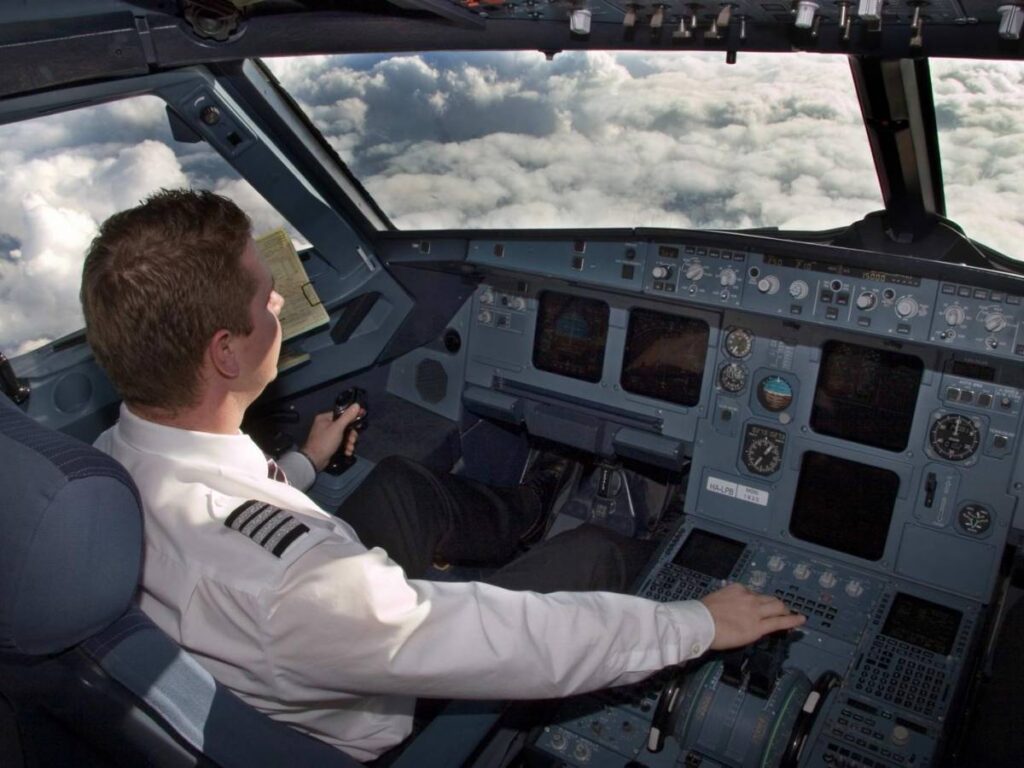
Air travel is a convenient and efficient way to tour the world, but it is not without its share of potential inconveniences and disruptions. Flight cancellations, for instance, can happen for various reasons, from weather-related issues to technical problems. However, on the 17th of July 2019 TAP Air Portugal experienced an uncommon and unfortunate event: the unexpected death of the co-pilot, at 4:15 AM, scheduled to operate a flight from Stuttgart to Lisboa, with departure at 06:05 AM. In such tragic cases, it’s essential to understand responsibilities and charges of the Airlines and whether passengers are entitled to compensation.
The unexpected death of a co-pilot is an extremely rare occurrence, but, when it happens, it can create significant challenges for Airlines since co-pilots play a crucial role in ensuring the safety and smooth operation of a flight, as a matter of fact, on that sad day the whole crew was entirely shocked by the sudden incident that declared itself not fit to carry out the service while all the passengers have been boarded on a later flight.
When a flight is canceled due to an “unexpected event”, the Airline has some obligations to its passengers. These obligations are typically outlined in the Airlines’ terms and conditions, which passengers agree to when purchasing a ticket, even though it is important to note that their specifics can vary depending on the country and the governing laws.
In this particular instance, given that TAP Air Portugal refused to compensate passengers according to Art. 7, paragraph 1 of the Regulation n. 261/2014 whereby the unexpected death of a co-pilot is an exceptional event pursuant to art 5, paragraph 3 of the aforementioned Regulation as well as it has been listed in the type of incidents qualified as “extraordinary circumstances”. However, Nürtingen Court held that un unexpected illness or death is not an external event to the carrier. TAP Air Portugal appealed, so that, to the Court of Land of Stuttgart which decided to stay the proceedings and refer the matter back to the Court of Justice (Third Chamber), which, eventually, ruled as follows:
“Article 5, paragraph 3, of Regulation (EC) No. 261/204 of the European Parliament and of the Council of 11th of February 2004 establishing common rules on compensation and assistance to passengers in case of denied boarding, cancellation of the flight or prolonged delay that repeals regulation EEC n.95/91,
It is necessary to be understood as meaning that:
the unexpected absence due to illness or death of a crew member essential to secure the flight occurred shortly before the scheduled departure of that flight, does not fall within the concept of “exceptional circumstances” within the meaning of that provision.”
In conclusion, according to the European Court of Justice, a sudden death it is not a self-evident force majeure event. Although, it is clear, that the matter raised here remains controversial both in European jurisprudence and in doctrine itself.